
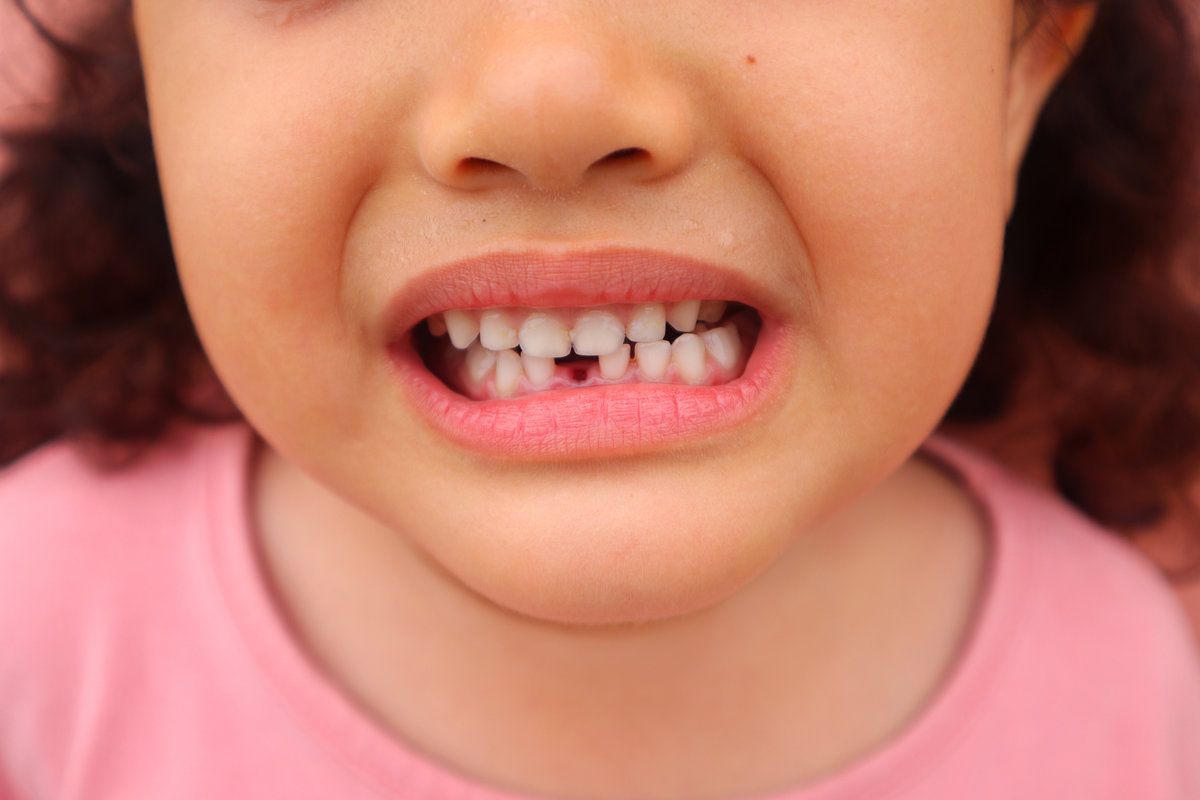
A knocked-out tooth from a bike crash or a chipped front tooth from a fall on the playground can turn an ordinary afternoon into a scramble for help. The first hour after an injury often decides whether a tooth can be saved, and traumatic dental injuries are more common than most people realize.
At All Smiles Dentistry, we treat traumatic dental injuries as the urgent situations they are, while keeping the experience calm and reassuring, especially for our younger patients. Our Lake Stevens team uses 3D cone beam imaging and digital X-rays to assess the full extent of an injury quickly, and we focus on saving natural teeth whenever possible. Whether the injury involves a child’s baby tooth or an adult’s permanent tooth, we also provide general emergency dentistry care for toothaches and other urgent problems.
If an injury has just happened, call our office at 425-335-1111 first, and we will guide you through the next steps. Here is what to do for a knocked-out permanent tooth while you reach us, in line with guidance from the American Association of Endodontists.
Baby teeth that are knocked out should not be put back in the socket, but you should still call us so we can check the area. If you have a broken jaw, trouble breathing or swallowing, or bleeding that will not stop with gentle pressure for about 10 minutes, go to the nearest emergency room first.
Once you arrive, we start with a visual exam and imaging to understand what is happening below the surface. A tooth that looks slightly chipped on the outside can have deeper damage to the dentin or the nerve, and our digital X-rays, intraoral cameras, and 3D cone beam imaging help us see those details clearly. That lets us build a treatment plan based on what the tooth actually needs rather than how it looks.
Each type of injury calls for a different response. This guide shows what to do first and what care may follow.
| Injury | What to Do First | Care That May Follow |
|---|---|---|
| Chipped tooth | Save any pieces and see us within a day. | Smoothing, bonding, or a crown, depending on the size of the chip. |
| Cracked tooth | Avoid chewing on it and call us promptly. | Imaging to check the nerve, then a crown, or a root canal if the nerve is involved. |
| Loosened or pushed tooth | Do not force it back. Call right away. | Repositioning and stabilizing so the tooth can reattach to the bone. |
| Knocked-out permanent tooth | Follow the steps above and call immediately. | Reinsertion and stabilizing, follow-up monitoring, and possibly root canal treatment. |
| Cut lip, tongue, or cheek | Rinse and press gently with clean gauze. | Cleaning the wound and, in some cases, stitches or a referral. |
More severe injuries, such as a tooth that is knocked out or fractured below the gumline, need faster and more involved care. We may recommend a root canal if the nerve has been damaged, since saving the root is almost always better than removing it. When a tooth cannot be saved, we talk through options like extraction and the replacement choices that fit your smile. If your tooth was injured years ago and root canal treatment is no longer holding, see our page on endodontic retreatment.

After the emergency has passed, our focus shifts to restoring the tooth’s function and appearance. Many chipped or fractured teeth can be repaired with a custom crown, which protects the remaining tooth structure and blends with your other teeth. Smaller chips may be repaired with composite bonding.
We also check how the injury may have affected your bite, since even a small change in tooth position can alter how your teeth come together over time. Microscope dentistry lets us work with high precision so the restoration fits comfortably from the first day. During a post-injury evaluation, we typically look at three things.
Watching these details after the initial repair helps us catch complications early, before they become bigger problems.
Many dental injuries happen during sports and play, and a custom-fitted guard is one of the best ways to reduce the risk. Our custom mouthguards and sport guards are made from a model of your own teeth, so they fit better than store-bought options. Ask us about one at your next visit.
The cost of treatment depends on the type of injury and the care you need, from a simple repair to a crown or root canal. Many dental plans cover part of restorative care after an injury, and our team can help you review your benefits. All Smiles Dentistry is in network with Delta Dental, Regents, and Premera, and we accept out-of-network benefits from many other carriers, including Cigna, Aetna, Guardian, and Standard. See our insurance page for details.
For patients who want to spread out the cost, we offer Cherry financing as our primary option, along with CareCredit and in-house payment plans. Visit our payment plans page to learn more.
Dr. Jason Steinhubel has cared for the Lake Stevens community for more than two decades, and that history means our team has seen many types of dental injury. We know an emergency rarely happens at a convenient time, so we prioritize getting injured patients in quickly. Dr. Izoh Ashour, DDS, MS, our visiting Board Certified Periodontist, also supports more complex cases that involve the gum tissue or the bone around an injured tooth. Having that coordination under one roof means you are not navigating multiple offices while your family is already stressed.
Our Lake Stevens dental team is committed to helping you through this as quickly as possible. If your family has experienced a dental injury, contact our office or call 425-335-1111 so we can see you and start putting your smile back together.
Pick the tooth up by the crown and avoid touching the root. Rinse it briefly with milk or saline if it is dirty, and place it back in the socket if you can do so safely. If not, keep it in a small container of milk and call All Smiles Dentistry right away. Time matters, and the best chance of saving a permanent tooth is generally within the first 30 minutes to an hour.
A small chip with no pain can usually wait a day, but you should call us promptly. A crack, sharp pain, a loose tooth, or bleeding is more urgent. Even a minor-looking chip can involve deeper damage, so an exam and imaging are worth having soon.
Often it can, especially when the tooth is kept moist and you reach a dentist quickly. Results vary with the injury, and we monitor the tooth afterward because it may need further treatment, such as a root canal.
No. Baby teeth are generally not replanted because doing so can harm the developing permanent tooth. Call us so we can check the area and make sure nothing remains in the socket.
For a broken, chipped, or knocked-out tooth, call your dentist first. Go to the emergency room if you have a possible broken jaw, trouble breathing or swallowing, a head injury, or bleeding that does not stop after about 10 minutes of gentle pressure.
The cost depends on the type of injury and the care needed, from a simple repair to a crown or root canal. Many dental plans cover part of restorative care, and our team can review your benefits. We also offer Cherry financing, CareCredit, and in-house payment plans.
Our team always listens to your concerns and gets to know you before customizing your experience to your needs. We want to ensure your comfort while bringing you the best treatments modern family dentistry has to offer.
Feel relaxed at your Lake Stevens dentist as our team takes great care of you. If you’re feeling nervous, our nitrous oxide or conscious sedation options can put you at ease. We’re in good hands here. Feel relaxed at your Lake Stevens dentist
Each time you visit, expect the same level of high-quality care with modern technology and your own dedicated provider. Discover more effective and gentle dentistry with digital imaging, lasers, same-day crowns, and more.
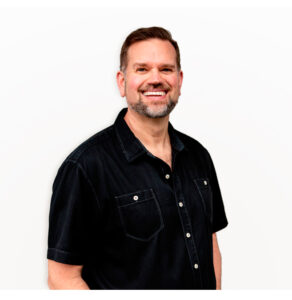
Dr. Jason Steinhubel opened All Smiles Dentistry in Lake Stevens in 2004 to give the community he loves a better dental experience. A member of the American Dental Association, he brings a background in forensics, dental assisting, and dental lab work to a technology-forward, family-focused practice built on prevention, education, and comprehensive care under one roof.
View Dr. Steinhubel's full profile