

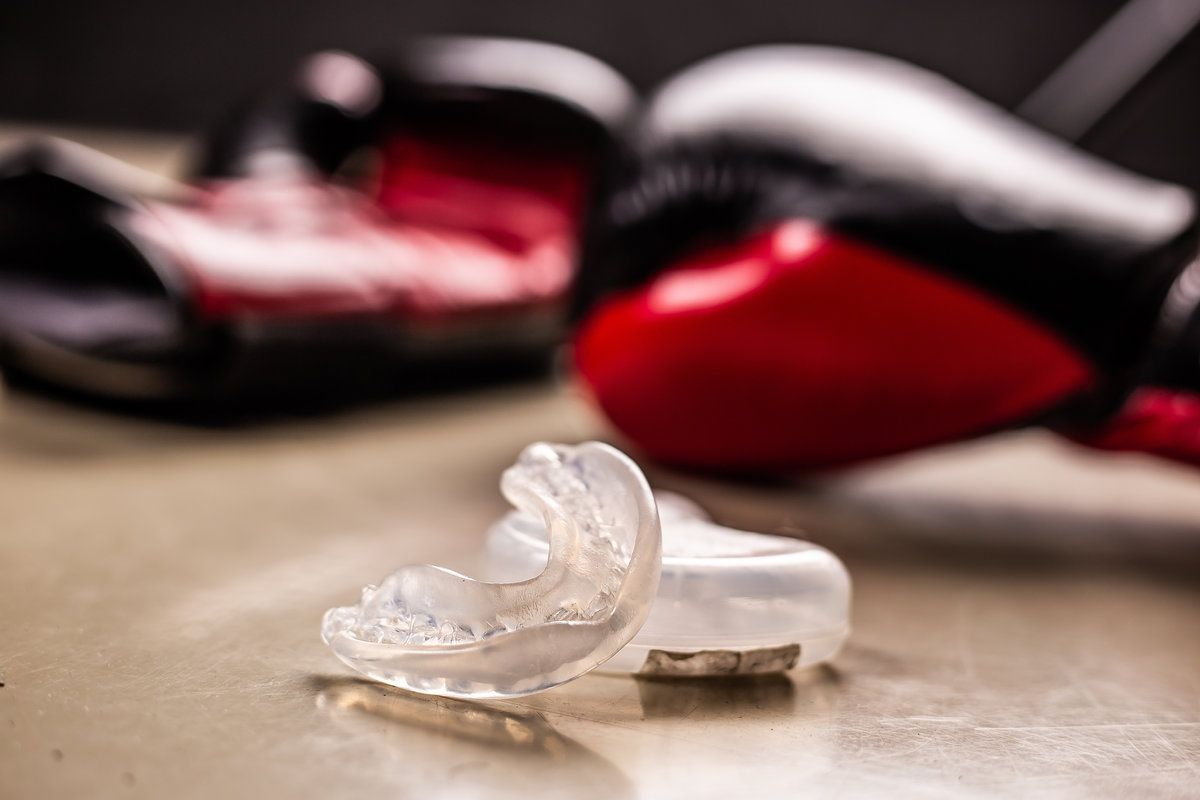

Waking up with a sore jaw or a dull headache that seems to start right behind your ears is more common than most people realize. Usually, it points to one habit happening while you sleep, clenching or grinding your teeth. That habit, known as bruxism, can quietly wear down your teeth and strain the joint that connects your jaw to your skull, called the temporomandibular joint, or TMJ. It can feel unsettling to learn that you have been damaging your smile without even knowing it.
At All Smiles Dentistry, we help Lake Stevens families catch these patterns early during routine family dentistry visits and protect their teeth with a custom-made night guard. Think of your teeth like the tires on a car. A little wear over the years is normal, but grinding at night is like driving on gravel every single night without knowing it, and a custom night guard acts as the smooth road that keeps that wear from adding up.
Bruxism often happens during the deepest parts of sleep, so most people never feel themselves doing it. Instead, they notice the aftermath the next morning. A partner mentioning a grinding noise at night is one of the clearest signs, but several others are worth paying attention to. The following symptoms are common in patients who grind or clench their teeth:
Jaw soreness or tightness when you wake up
Frequent headaches near the temples
Teeth that look flatter or shorter than they used to
Clicking or popping when you open your mouth wide
Increased sensitivity to hot, cold, or sweet foods
If any of these sound familiar, it is worth mentioning at your next checkup so we can look closely at wear patterns on your teeth and ask a few simple questions about your sleep and stress levels. According to the National Library of Medicine, mouth guards and appliances commonly treat teeth grinding, clenching, and TMJ disorders, and a well-fitted guard can meaningfully reduce the pressure grinding puts on your jaw.
A drugstore night guard might feel like a quick fix, but it is a little like buying shoes without trying them on. It may technically fit inside your mouth, but it was never built for the exact shape of your bite, so it can shift out of place, feel bulky, or fail to protect the teeth that need it most. A custom guard works differently. We take an impression of your teeth in the office, then send it to a dental lab where it is built specifically to match the shape of your bite.
The guard is molded to your own teeth rather than pulled off a generic shelf, so it tends to sit more securely and feel less bulky, making you more likely to actually wear it. Consistency matters here. A night guard only protects your teeth on the nights you wear it, so comfort directly affects how well it works.
Getting a night guard usually starts with a short appointment where we take an impression of your teeth. From there, a dental lab custom-fabricates your guard, so it is not a same-day appliance. Once it is ready, you come back for a quick fitting to make sure it feels right and does not shift when you move your jaw. Most patients describe the adjustment period as similar to breaking in a new pair of glasses. It feels a little unfamiliar the first few nights, then becomes part of the routine without much thought.
While you are being fitted for a night guard, it is also a good time to talk with us about any grinding-related damage that may already exist. Cracked or worn teeth sometimes need attention through crowns and bridges, and catching that kind of damage early tends to save both time and stress down the road.
Grinding is often tied to stress, sleep quality, or how your bite naturally lines up, so a night guard is not always a standalone fix. Some patients only need a guard for a season of high stress, while others wear one indefinitely as part of their nightly routine, and that is completely normal. Using a night guard alongside good oral hygiene habits and regular checkups lets us monitor your teeth over time and determine whether the grinding is improving or your treatment plan needs adjustment.Â
Left unmanaged, a cracked tooth from grinding can turn into an emergency dental visit, so it helps to address the habit early rather than waiting for it to become urgent. The goal is never to alarm you about a little tooth wear. It is to make sure a habit you cannot control while sleeping does not end up costing you a tooth you could have kept.
Every patient’s bite is different, which is why we take a comprehensive approach to grinding and jaw pain instead of offering a one-size-fits-all solution. If you’ve had a sore jaw for years or have noticed a change in the last few months, we will take the time to determine what’s causing the strain before recommending a night guard or any other next step.Â
If your jaw has been sore lately, or if someone has mentioned hearing you grind at night, it is worth having a conversation before the wear and tear adds up. Reach out through our contact form, and we will help you find a time that works for a checkup and a conversation about whether a custom night guard makes sense for you.
Our team always listens to your concerns and gets to know you before customizing your experience to your needs. We want to ensure your comfort while bringing you the best treatments modern family dentistry has to offer.
Feel relaxed at your Lake Stevens dentist as our team takes great care of you. If you’re feeling nervous, our nitrous oxide or conscious sedation options can put you at ease. We’re in good hands here. Feel relaxed at your Lake Stevens dentist
Each time you visit, expect the same level of high-quality care with modern technology and your own dedicated provider. Discover more effective and gentle dentistry with digital imaging, lasers, same-day crowns, and more.
Dr. Jason Steinhubel opened All Smiles Dentistry in Lake Stevens in 2004 to give the community he loves a better dental experience. A member of the American Dental Association, he brings a background in forensics, dental assisting, and dental lab work to a technology-forward, family-focused practice built on prevention, education, and comprehensive care under one roof.
View Dr. Steinhubel's full profile